
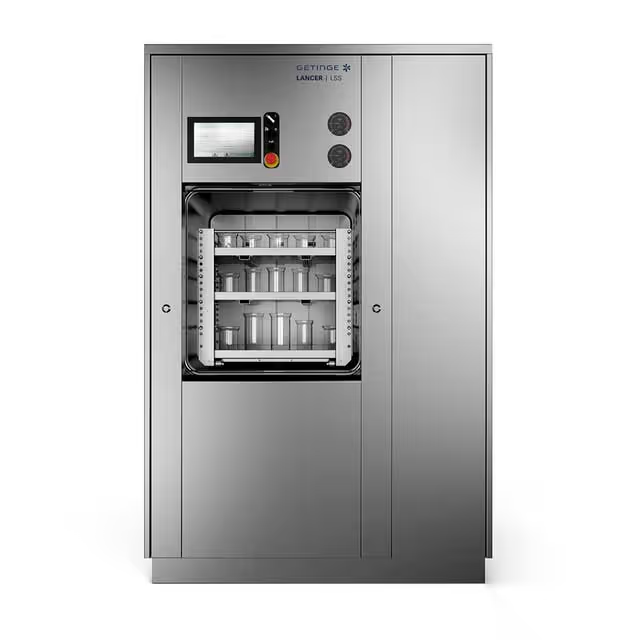
Laboratory sterilizers ensure complete eradication of microorganisms—including bacteria, spores, fungi, and viruses—using advanced methods like heat, pressure, dry heat convection, or chemical agents. Unlike disinfection, sterilization is designed to achieve absolute sterility, making it critical for applications ranging from medical device prep to microbiological research.
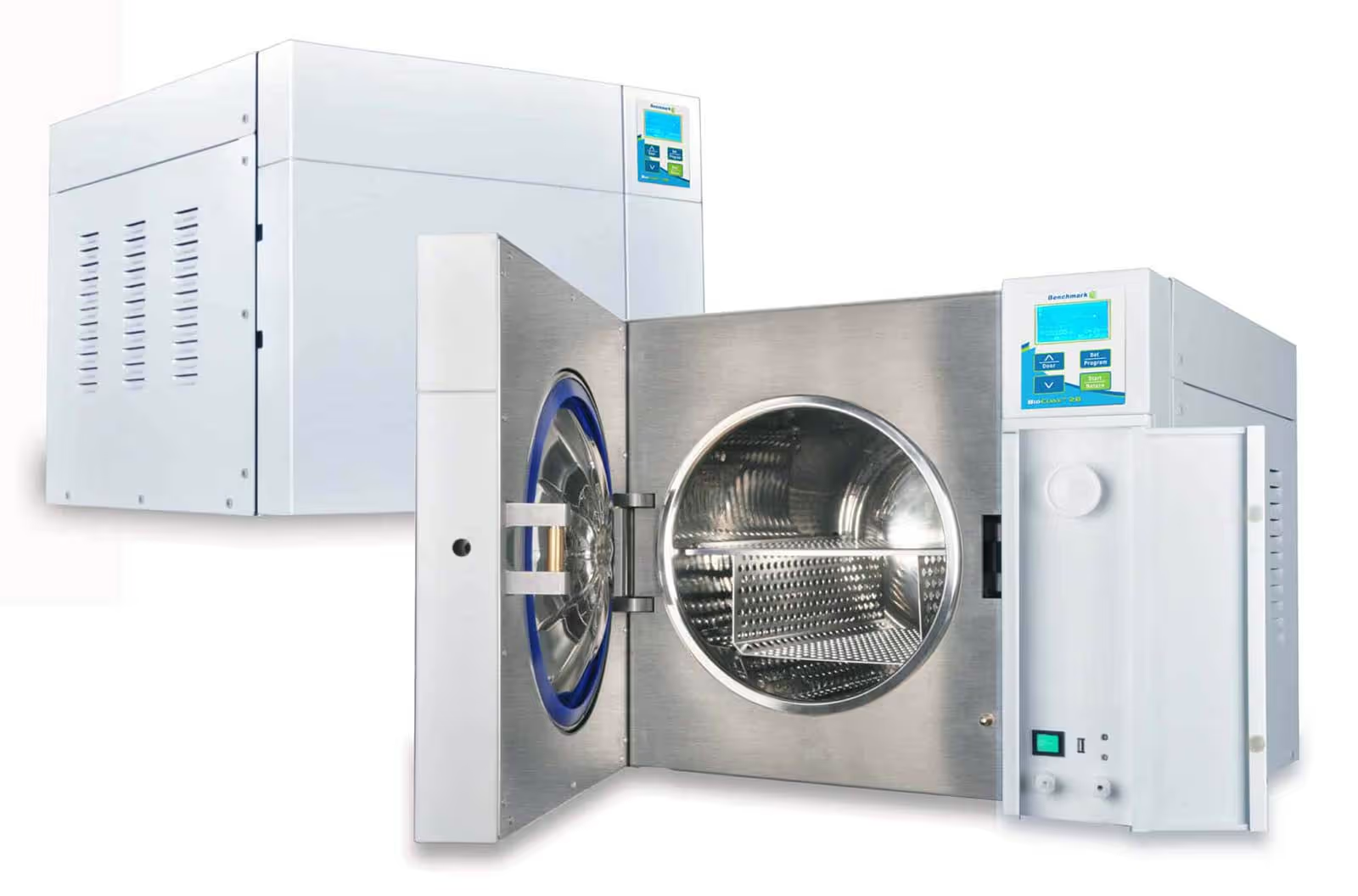
Reliable and efficient, autoclaves use pressurized steam—commonly at 121 °C for 15–30 minutes or 132–134 °C for shorter cycles—to achieve high-level microbial kill. The process typically involves:
Autoclaves are the backbone of laboratory sterilization, trusted for load versatility and cycle reliability.
Ideal for heat-stable but moisture-sensitive items like powders or metals, dry heat ovens use high-temperature hot air—typically 160 °C for 2 hours or 170 °C for 1 hour—to destroy pathogens through protein denaturation and oxidative damage.
For heat-sensitive materials, options include:
Laboratory sterilizers are essential across diverse environments—from universities and healthcare to biotech, pharma, and food safety labs. They’re crucial for:
From everyday decontamination to specialized sterilization needs, lab sterilizers deliver unmatched reliability, flexibility, and safety. Whether you're preparing samples, ensuring waste is safe for disposal, or maintaining aseptic conditions, these systems form the cornerstone of lab hygiene.

Contact us now to get started and unlock the full potential of your lab.
Copyright 2022 Lab Furniture Installations & Sales, Inc. | All Rights Reserved | Sitemap | Website by Plumb Development a Digital Marketing Agency
