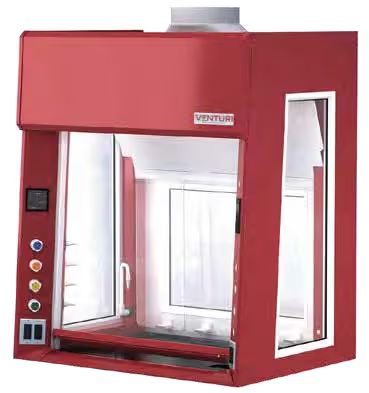
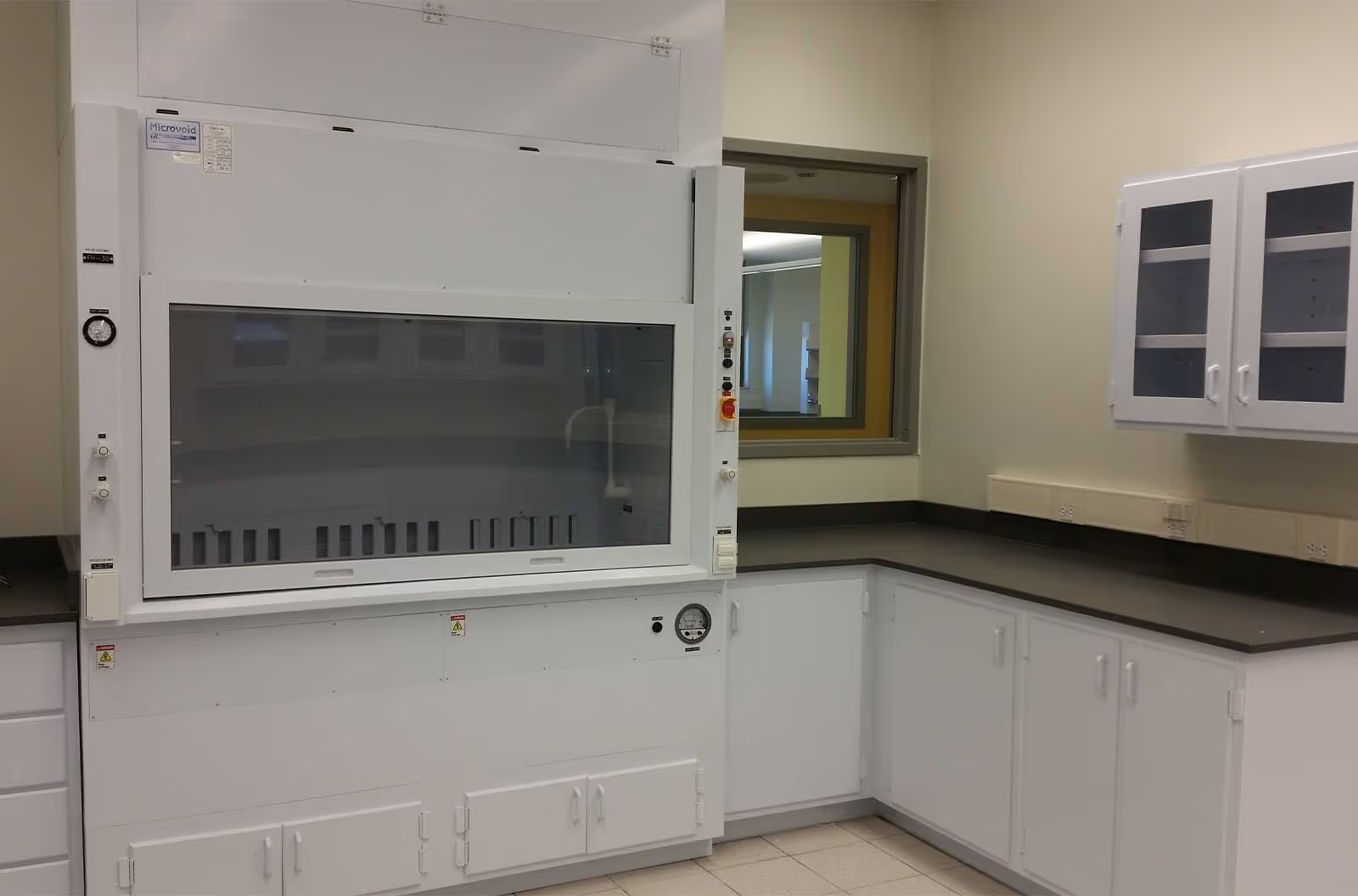
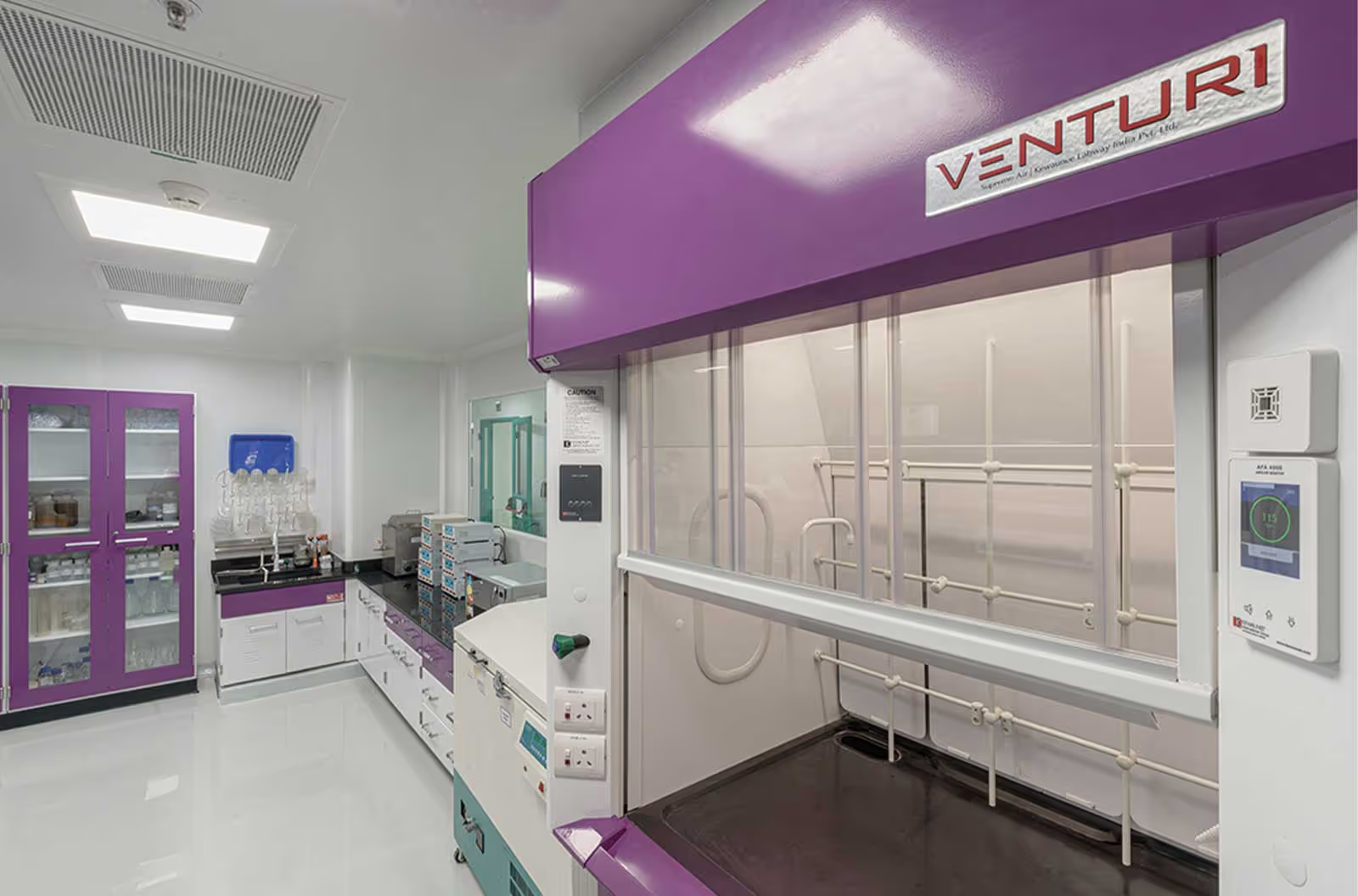
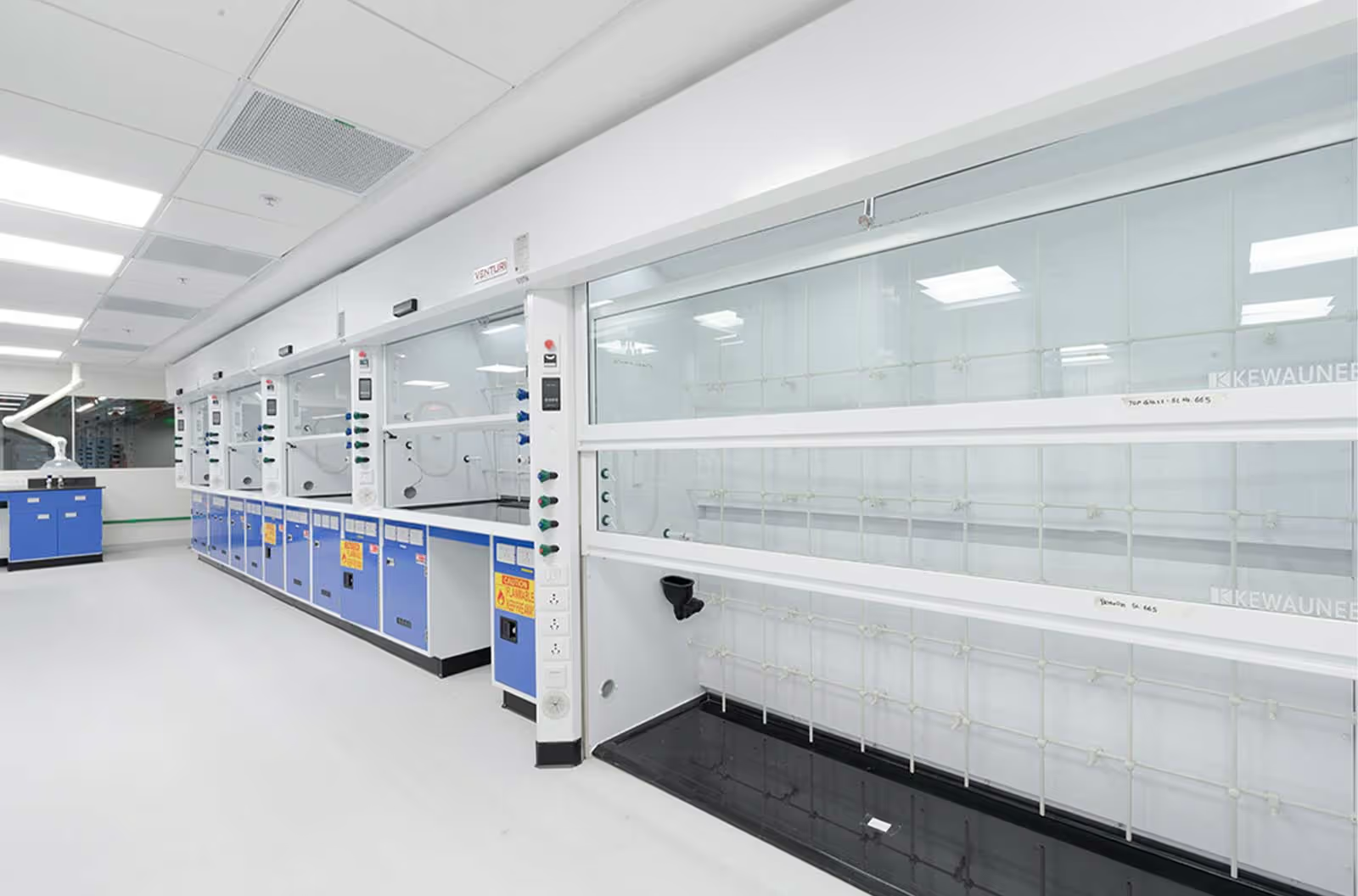
Laboratory Fume Hood Features — Essential for Safe and Efficient Labs
1. Adjustable Sash (Front Glass Panel)
- The movable sash (vertical, horizontal, or both) grants user access while maintaining airflow control and protection.
2. Controlled Airflow with Face Velocity & Baffles
- A precise airflow is maintained at the sash opening to ensure containment. Adjustable baffles regulate this airflow to minimize turbulence and ensure uniform distribution.
3. Airfoil (Sill) Design
- The airfoil—a curved edge at the sash opening—reduces airflow turbulence and improves ergonomic access.
4. Exhaust Ducting & Fans
- Fume hoods typically connect to external ducting and an exhaust fan that safely removes airborne hazards from the lab.
5. Performance Monitoring & Alarms
- Integrated monitors track airflow and sash position. Visual and audible alarms alert users to unsafe conditions, such as low airflow or an improperly positioned sash.
6. Variable Air Volume (VAV) Technology
- VAV fume hoods automatically adjust airflow based on sash position, optimizing safety and reducing energy use.
7. Specialty Hood Configurations
- For unique lab workflows:
- Ductless hoods utilize filters (HEPA/carbon) for recirculating clean air.
- Perchloric acid hoods include built-in wash-down systems to manage corrosive residues.
- Radioisotope hoods are stainless-lined and HEPA-equipped for radiation safety.
8. Accessibility (ADA-Compliant Options)
- Lowered work surfaces and easily reachable controls provide inclusive access for users with mobility challenges.
These essential features make laboratory fume hoods a critical element in safeguarding lab environments from exposure risks, while supporting efficient, compliant operation.

.avif)
.avif)
.avif)
.avif)
_Page_1_Image_0003.avif)