Laboratory Epoxy Resin Sinks – Durable, Chemical-Resistant, and Hygienic
Engineered for Harsh Lab Environments
Laboratory epoxy sinks are constructed from monolithic epoxy resin, a sturdy composite renowned for its exceptional chemical resistance, heat endurance, and mechanical strength—making it ideal for rigorous lab use.
Key Advantages
- Superior Chemical & Heat Resistance
Epoxy resin sinks can withstand exposure to harsh acids, solvents, and elevated temperatures—often up to 350 °F (177 °C)—without degrading or staining. - Hygienic and Easy to Clean
With a non-porous, seamless surface, these sinks prevent microbial retention and simplify sanitation—critical for maintaining a sterile lab environment. - Exceptional Durability
Built to resist scratches, impact, and thermal shock, epoxy sinks are designed for long-term durability—even after decades of regular use. - Form & Size Flexibility
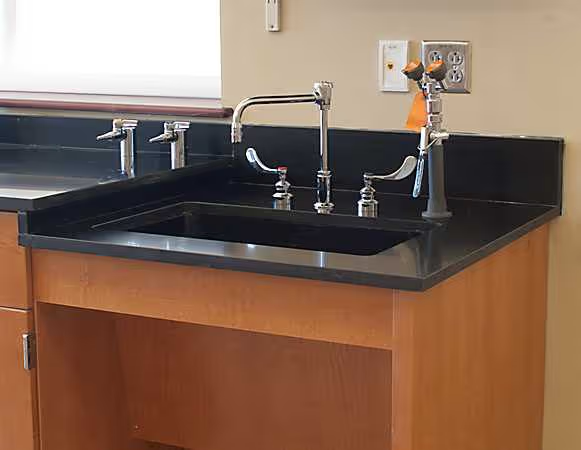
Available as undermount or drop-in styles, including ADA-compliant, double-bowl, round, and trifacial configurations—offering installation flexibility for diverse lab designs. - Aesthetic Variety & Environmental Benefits
Offered in multiple colors, epoxy sinks can match or contrast with lab surfaces for design cohesion. They are also cost-effective, with long lifespans that contribute to sustainability.
Installation Types & Considerations
- Drop-In (Lipped) Sinks
Easy to install without supporting structures and can be ADA compliant. Recessed into the countertop, they form a tight seam that minimizes contamination risk. - Undermount Sinks
Offer a seamless transition from countertop to sink, simplifying cleaning. These require reliable support structures beneath the counter to maintain stability. - Replacement Notes
While epoxy is highly durable, thermal shock (like dry ice or extreme cold) can cause cracks. Undermount designs are easier to replace, while drop-ins may require more involved removal.
Laboratory Epoxy Resin Sinks combine unmatched functionality with long-term resilience, making them a top-tier choice for labs—from academic to industrial—where both performance and cleanliness are priorities.

dropin_sink_209x209.avif)
